
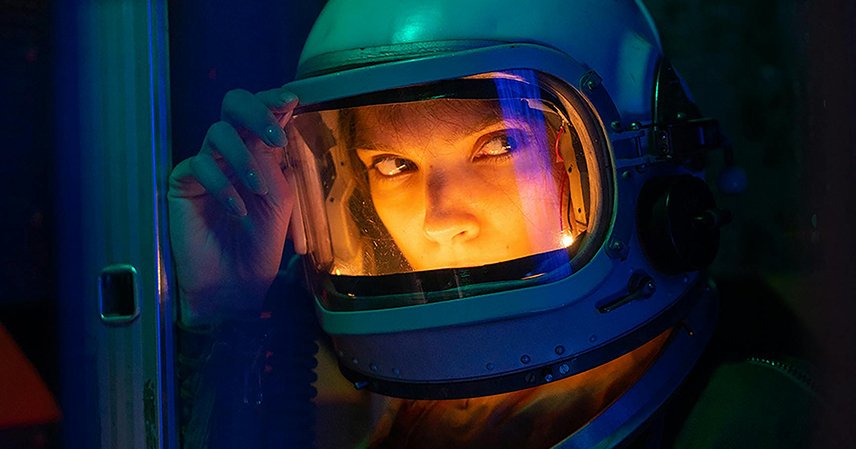
Space exploration has always captured human imagination — from the first moon landing to Mars rovers. But in the 21st century, the dream of living beyond Earth feels closer than ever. At the same time, the challenges are bigger than ever: high costs, dangerous radiation, political competition, and the limits of the human body.
خلائی سفر ہمیشہ سے انسان کے خوابوں کو اپنی طرف کھینچتا آیا ہے — پہلے چاند پر قدم رکھنے سے لے کر مریخ پر گاڑی اتارنے تک۔ لیکن 21ویں صدی میں زمین کے باہر زندگی کا خواب پہلے سے زیادہ قریب محسوس ہوتا ہے۔ ساتھ ہی مشکلات بھی پہلے سے بڑی ہیں: بھاری اخراجات، خطرناک ریڈی ایشن، سیاسی مقابلے اور انسانی جسم کی حدود۔
Donec dapibus fermentum consectetur. Nunc fringilla elit ornare, consequat massa sit amet, dapibus ante. Donec hendrerit nunc in massa rutrum convallis. Donec condimentum sem ac mi porttitor placerat. Donec ac tincidunt ante, vel iaculis sem. Aenean nec pharetra magna. Donec volutpat imperdiet erat eget ultricies.
The Cost Factor
Launching rockets, building space stations, and planning Mars colonies require billions of dollars. Even with private companies like SpaceX and Blue Origin, the price of exploring space is still one of the biggest hurdles
راکٹ لانچ کرنا، اسپیس اسٹیشن بنانا اور مریخ پر بستیاں آباد کرنے کا منصوبہ اربوں ڈالر مانگتا ہے۔ اسپیس ایکس اور بلیو اوریجن جیسی پرائیویٹ کمپنیاں ہونے کے باوجود اخراجات خلا کی تلاش کی سب سے بڑی رکاوٹ ہیں۔
Radiation and Human Health
Outside Earth’s protective atmosphere, astronauts face harmful cosmic radiation. Long-term exposure increases the risk of cancer, heart problems, and even vision loss
زمین کے حفاظتی ماحول کے باہر خلا بازوں کو خطرناک کاس्मिक ریڈی ایشن کا سامنا ہوتا ہے۔ لمبے عرصے تک یہ ریڈی ایشن کینسر، دل کے امراض اور نظر کی کمزوری کا سبب بن سکتی ہے
Human Survival & Psychology
Limited oxygen, food, and water must be recycled.
Astronauts face muscle loss and bone weakening in zero gravity.
Isolation in deep space missions leads to depression and anxiety
آکسیجن، پانی اور کھانے کو بار بار recycle کرنا پڑتا ہے۔
zero gravity میں پٹھے کمزور اور ہڈیاں پتلی ہو جاتی ہیں۔
گہرے خلا کے سفر میں تنہائی ذہنی دباؤ اور ڈپریشن پیدا کرتی ہے۔
Political & Ethical Challenges
Space is no longer just about science — it’s about power. Nations compete for resources like lunar water and asteroid mining. Ethical questions arise: Who owns space? Should space be commercialized
ا خلا صرف سائنس نہیں بلکہ طاقت کا کھیل بھی بن گیا ہے۔ ملک چاند کے پانی اور ایسترائڈز کی کان کنی کے لیے مقابلہ کر رہے ہیں۔ سوال یہ بھی ہے: خلا کا مالک کون ہے؟ کیا خلا کو بیچنا اور خریدنا جائز ہے؟
Technology & Sustainability
Developing reliable rockets that can safely land and relaunch is still a challenge.
Space debris (junk from old satellites) is turning Earth’s orbit into a dangerous traffic zone.
Sustainable technology is needed to make space travel safe and affordable
ایسے راکٹ بنانا جو بار بار محفوظ طریقے سے اُڑ سکیں اور واپس آ سکیں، اب بھی مشکل ہے۔
پرانے سیٹلائٹس اور ناکام مشنز کا کچرا زمین کے گرد خلا کو خطرناک بنا رہا ہے۔
پائیدار ٹیکنالوجی ضروری ہے تاکہ خلائی سفر محفوظ اور سستا ہو سکے۔
Conclusion
Space exploration in the 21st century is full of promise — but also full of obstacles. Costs, radiation, human survival, politics, and technology all stand in the way. Still, history shows that humanity thrives when facing challenges. With patience, innovation, and global cooperation, the stars may one day truly become our second home
21ویں صدی میں خلا کی تلاش امکانات سے بھرپور ہے مگر رکاوٹوں سے بھی۔ اخراجات، ریڈی ایشن، انسانی بقا، سیاست اور ٹیکنالوجی سب راستے میں ہیں۔ لیکن تاریخ گواہ ہے کہ انسان ہمیشہ چیلنجز کو عبور کرتا آیا ہے۔ صبر، جدت اور عالمی تعاون کے ساتھ شاید ایک دن ستارے واقعی ہمارا دوسرا گھر بن جائیں